Junior Research Group 'Glycan-Protein Interactions'
Glycans are a major carbon source for marine bacteria. Our research aims to understand how these microbes capture glycans from the water column. To address this question, we investigate glycan-trapping proteins located on the bacterial cell surface.
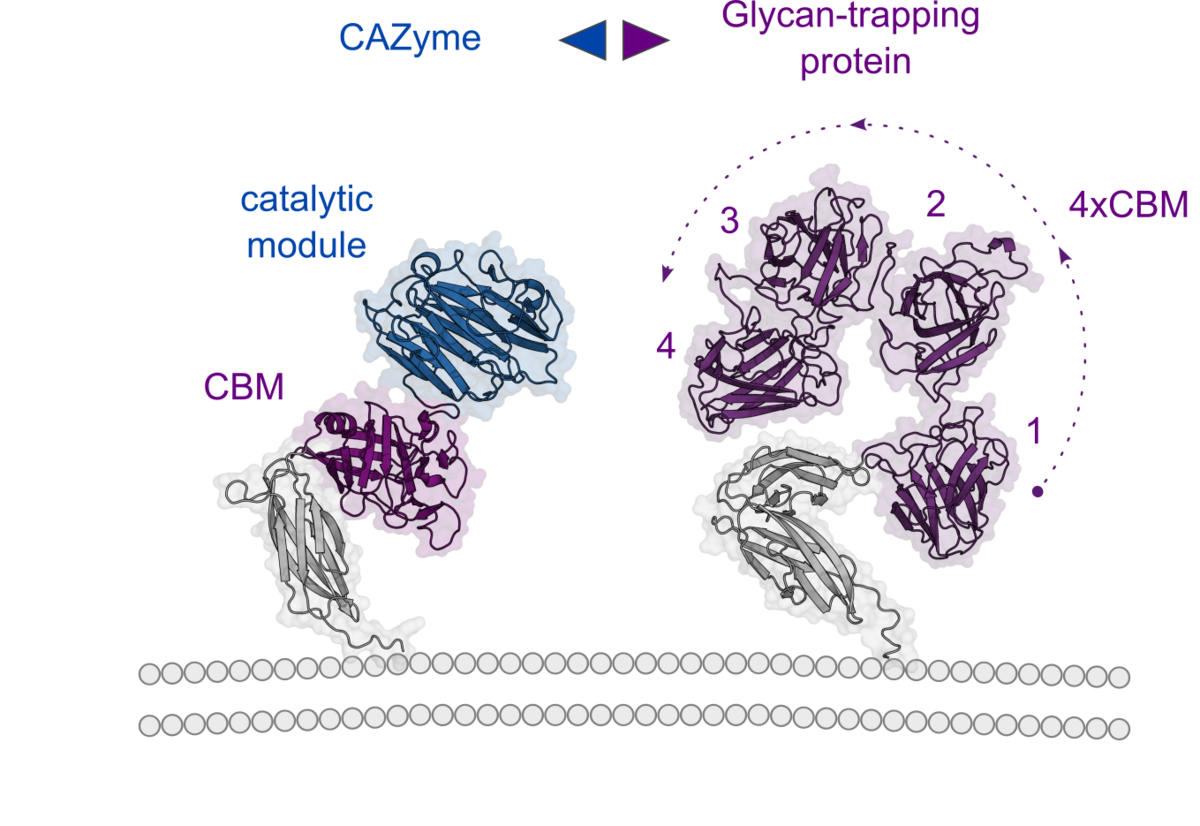
These proteins are often multimodular and contain carbohydrate-binding modules (CBMs). Unlike carbohydrate-active enzymes (CAZymes), CBMs do not catalyze chemical reactions. Instead, they selectively bind glycans from complex mixtures, thereby enhancing the efficiency of glycan degradation by CAZymes.
We investigate how CBMs recognize their glycan ligands and what determines their binding specificity. Ultimately, our work seeks to elucidate how CBM-containing proteins contribute to marine carbon cycling.
We combine proteomics, biochemistry, and structural biology to investigate proteins involved in glycan recognition and utilization. By analyzing protein expression, cellular localization, ligand binding, and three-dimensional protein structure, we uncover the molecular mechanisms that govern protein function.
We are part of the Collaborative Research Center (CRC, SFB-TRR) CONCENTRATE, project B2 TRAP.
Team
Dr. Marie-Katherin Zühlke
Junior Research Group Leader
Center for Functional Genomics of Microbes
Felix-Hausdorff-Straße 8
17489 Greifswald
Telephone +49 3834 420 5949
marie-katherin.zuehlkeuni-greifswaldde
| since 2025 | Junior Research Group Leader, University of Greifswald, Institute of Pharmacy, Glycan-protein interactions |
|---|---|
| since 2023 | Science communicator, Art&Science projects |
| since 2019 | Guest researcher, Station Biologique de Roscoff, Annual research stays funded by the DFG, Erasmus or French Embassy (PROCOPE Mobility) |
| since 2017 | Researcher, University of Greifswald, Institute of Pharmacy, Glycan utilization by marine bacteria |
| 2013-2017 | PhD, University of Greifswald, Institute of Microbiology, Biotransformation of environmental pollutants by bacteria |
| 2008-2013 | Study of Biology, Diploma, University of Greifswald |
- Environmental/Marine Microbiology, Biochemistry, Structural Biology
- Functional characterization of multimodular glycan-binding proteins
- Proteomics of glycan-utilizing bacteria

Franziska Brühl
PhD student
Institute of Pharmacy
Friedrich-Ludwig-Jahn-Straße 17
17489 Greifswald
Telephone +49 3834 420 4911
franziska.bruehluni-greifswaldde
Pia Kunde
Master student
Collaborative Research
We have a long-standing and close scientific collaboration with our partners Mirjam Czjzek, Elizabeth Ficko-Blean, and François Thomas at the Station Biologique de Roscoff (France).
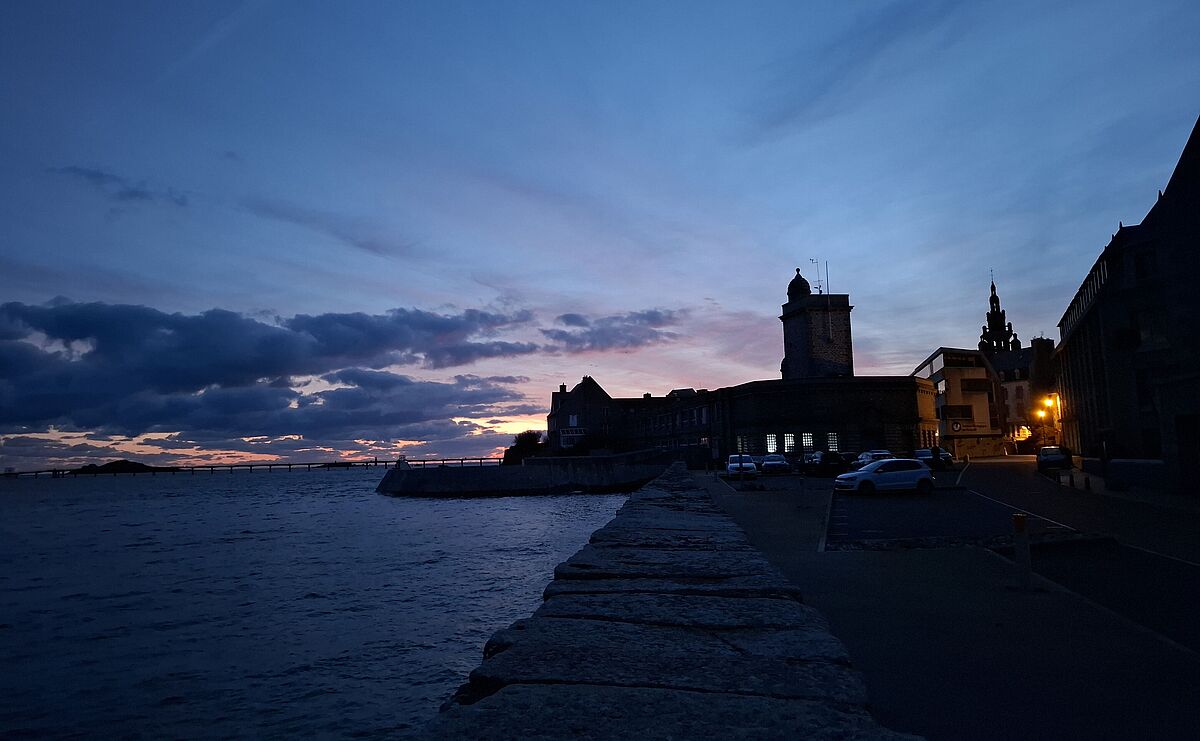
Our regular research visits to Roscoff provide the foundation for intensive scientific exchange and the development of joint research projects. Thanks to the expertise of our colleagues, we continuously expand our knowledge in the biochemistry of glycan degradation and structural biology methods. In turn, we contribute our experience in protein mass spectrometry, creating valuable synergies that strengthen our collaborative research and benefit both groups.
Outreach

Art&Science
Collab - Marie-Katherin Zühlke, Astrid Brünner, Susanne Gabler
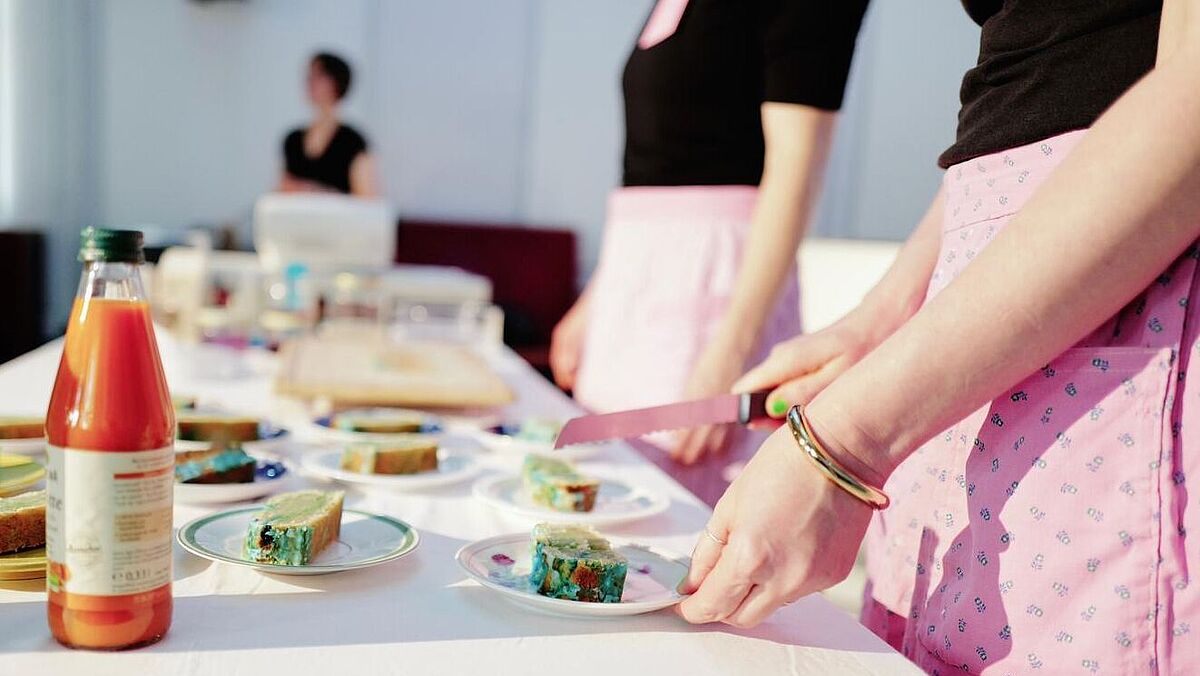
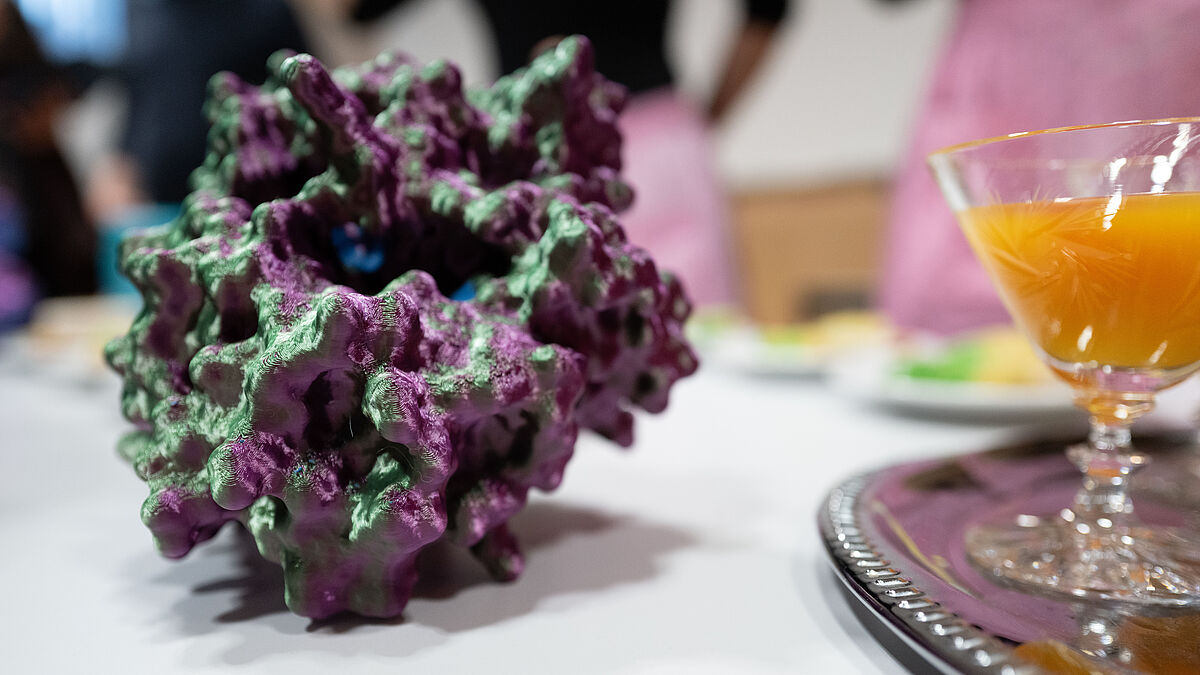
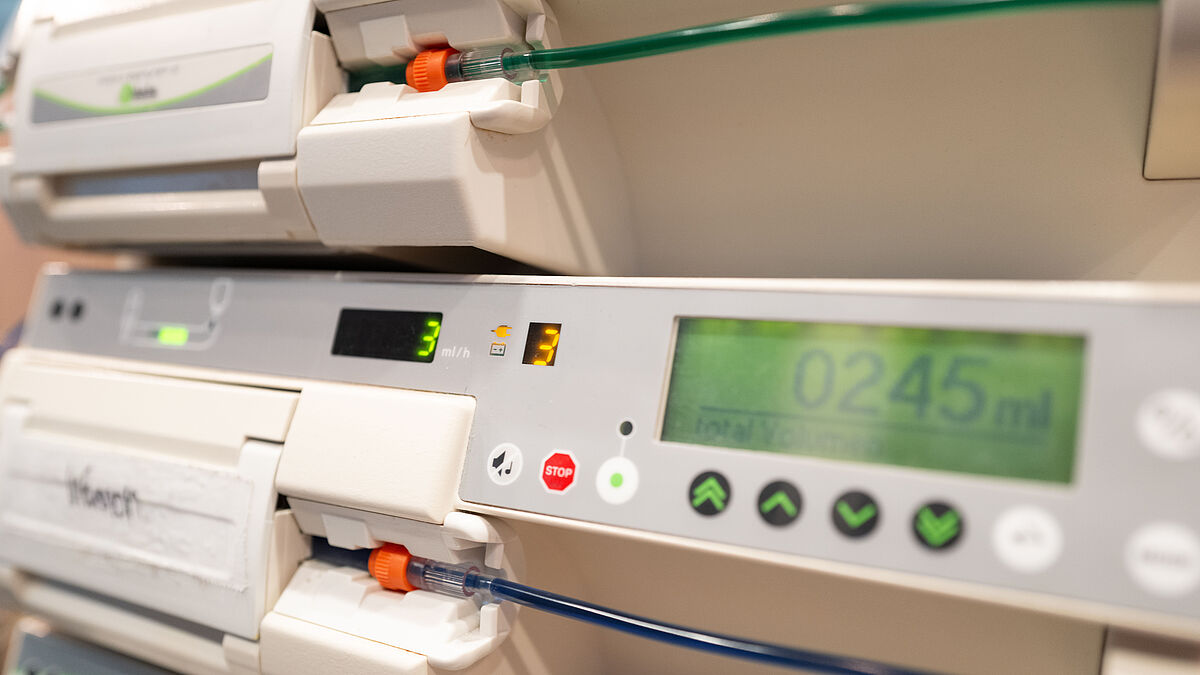
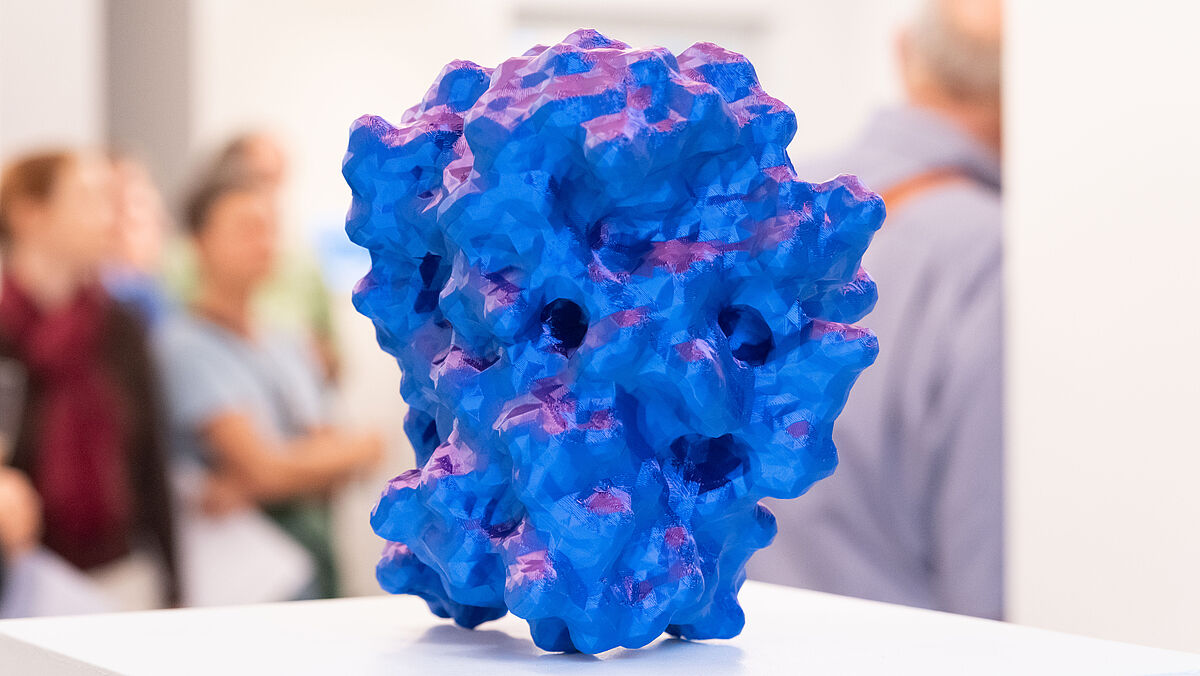
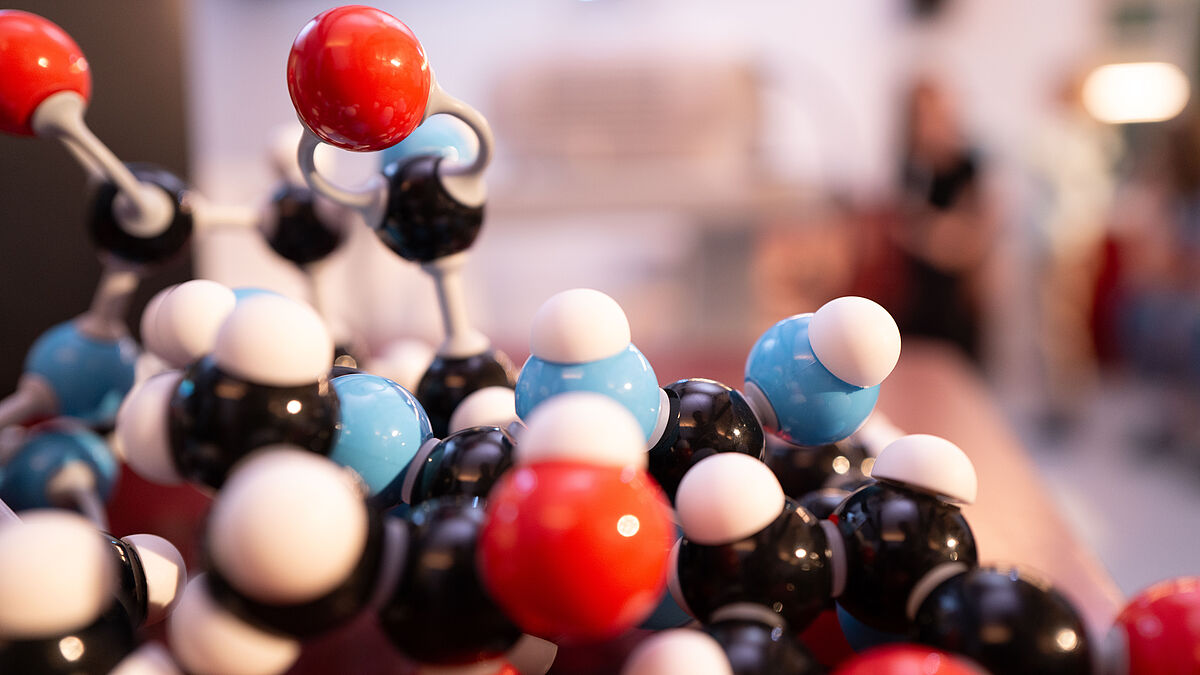
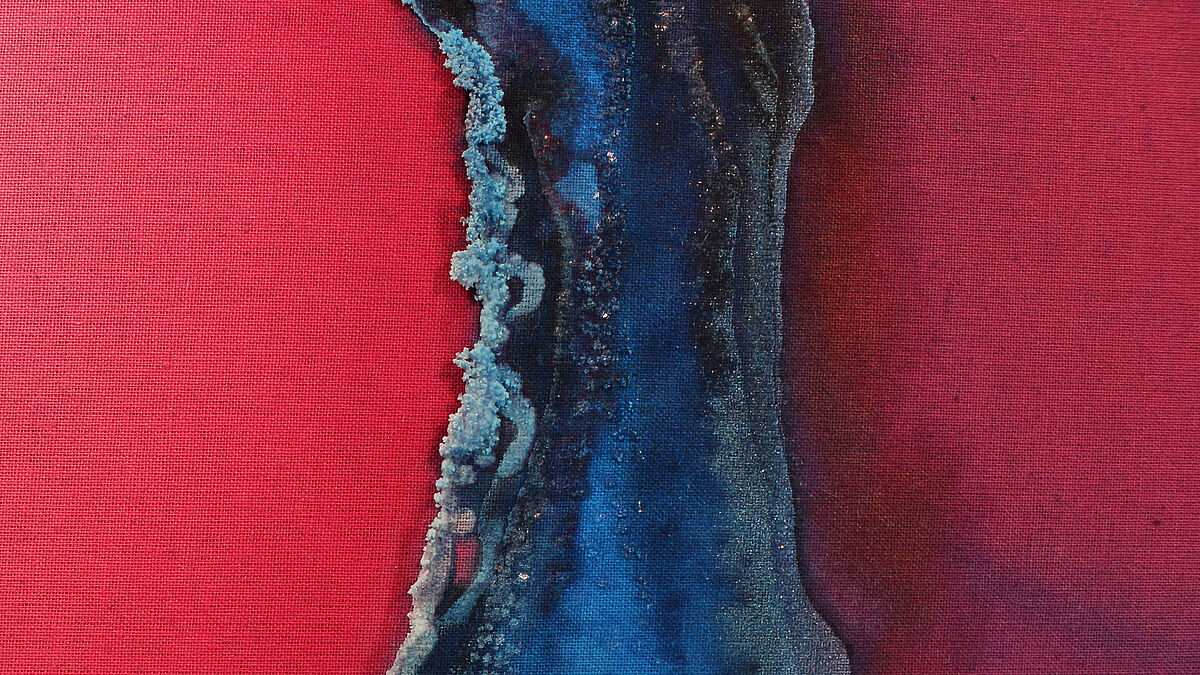
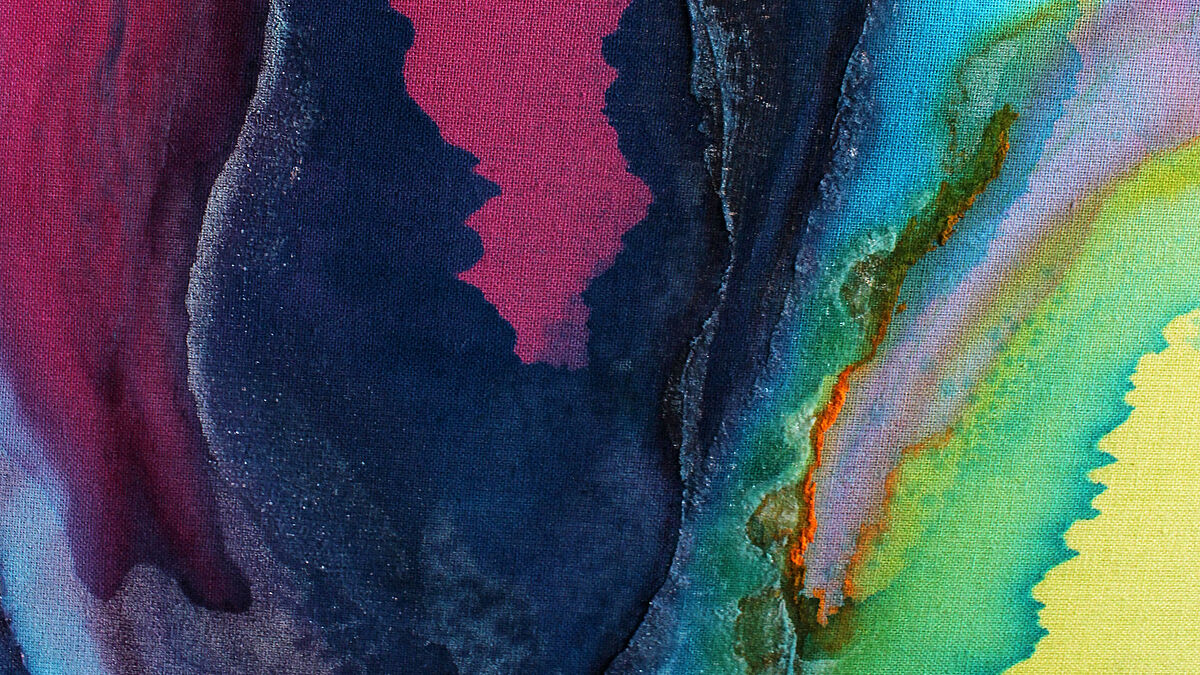
How can art contribute to the communication of scientific knowledge? Through an interdisciplinary collaboration between science and art, we explore new ways of making research accessible to diverse audiences. Our work has resulted in two exhibitions, which explored scientific content through artistic practice.
We combine different media and formats, such as (dance) performance, installation, painting, or augmented reality. We also developed a lecture performance focused on the algal polysaccharide alginate, in which a scientific lecture is complemented by performative elements to open up alternative ways of engaging with complex scientific topics.
Exhibitions:
2025 METABOLAT Koeppenhaus Greifswald
2026 NEWSPECTIVES Alfried Krupp Wissenschaftskolleg Greifswald

Publications
- Zühlke MK, Bahr A, Bartosik D, Solanki V, Teune M, Welsch N, Unfried F, Barbeyron T, Ficko-Blean E, Schoppmeier P, Schiller L, Busse N, Banerjee D, Cladière L, Jeudy A, Susemihl A, Hartmann F, Jouanneau D, Jam M, Höhne M, Delcea M, Reintjes G, Bornscheuer UT, Becher D, Hehemann JH, Czjzek M, Schweder T. (2026) Fructan utilization by members of marine Gammaproteobacteria involves SusC/D-like proteins, ISME J. 20(1), wrag030, DOI: 10.1093/ismejo/wrag030.
Chevenier A, Fanuel M, Sokolova E, Latorre DM, Jouanneau D, Jeudy A, Préchoux A, Zühlke MK, Bartel J, Becher D, Czjzek M, Ropartz D, Michel G, Ficko-Blean E. (2025) Structure, function and catalytic mechanism of the carrageenan-sulfatases from the marine bacterium Zobellia galactanivorans DsijT, Carbohydr. Polym. 358,123487,DOI: 10.1016/j.carbpol.2025.123487.
- Zühlke MK, Ficko-Blean E, Bartosik D, Terrapon N, Jeudy A, Jam M, Wang F, Welsch N, Dürwald A, Torres Martin L, Larocque R, Jouanneau D, Eisenack T, Thomas F, Trautwein-Schult A, Teeling H, Becher D, Schweder T, Czjzek M (2024) Unveiling the role of novel carbohydrate-binding modules in laminarin interaction of multimodular proteins from marine Bacteroidota during phytoplankton blooms, Environ. Microbiol. 26(5): e16624, DOI: 10.1111/1462-2920.16624.
- Beidler I, Steinke N, Schulze T, Sidhu C, Bartosik D, Zühlke MK, Torres Martin L, Krull J, Dutschei T, Ferrero-Bordera B, Rielicke J, Kale V, Sura T, Trautwein-Schult A, Kirstein IV, Wiltshire KH, Teeling H, Becher D, Bengtsson MM, Hehemann JH, Bornscheuer UT, Amann RI, Schweder T. (2024) Alpha-glucans from bacterial necromass indicate an intra-population loop within the marine carbon cycle. Nat. Commun. 15, 4048, DOI: 10.1038/s41467-024-48301-5.
- Beidler I, Robb CS, Vidal-Melgosa S, Zühlke MK, Bartosik D, Solanki V, Markert S, Becher D, Schweder T, Hehemann JH (2023) Marine bacteroidetes use a conserved enzymatic cascade to digest diatom β-mannan. ISME J. 17: 276-285, DOI: 10.1038/s41396-022-01342-4.
- Dutschei T, Zühlke MK, Welsch N, Eisenack T, Hilkmann M, Krull J, Stühle C, Brott S, Dürwald A, Reisky L, Hehemann JH, Becher, D, Schweder T, Bornscheuer UT (2022) Metabolic engineering enables Bacillus licheniformis to grow on the marine polysaccharide ulvan. Microb. Cell Fact. 21(1): 207, DOI: 10.1186/s12934-022-01931-0.
Dürwald A, Zühlke MK, Schlüter R, Gebbe R, Bartosik D, Unfried F, Becher D, Schweder T (2021). Reaching out in anticipation: bacterial membrane extensions represent a permanent investment in polysaccharide sensing and utilization. Environ. Microbiol. 23(6):3149-3163, DOI: 10.1111/1462-2920.15537.
Zühlke MK, Schlüter R, Mikolasch A, Henning AK, Giersberg M, Lalk M, Kunze G, Schweder T, Urich T, Schauer F. (2020) Biotransformation of bisphenol A analogues by the biphenyl degrading bacterium Cupriavidusbasilensis – a structure-biotransformation relationship. Appl. Microbiol. Biotechnol. DOI: 10.1007/s00253-020-10406-4.
- Reisky L*, Préchoux A*, Zühlke MK*, Bäumgen M, Robb CS, Gerlach N, Roret T, Stanetty C, Larocque R, Michel G, Tao S, Markert S, Unfried F, Mihovilovic MD, Trautwein-Schult A, Becher D, Schweder T, Bornscheuer UT, Hehemann JH (2019) A marine bacterial enzymatic cascade degrades the algal polysaccharide ulvan. Nature Chem. Biol. 12(12):2894-2906, DOI: 10.1038/s41589-019-0311-9. *Authors contributed equally
Zühlke MK, Schlüter R, Mikolasch A, Zühlke D, Giersberg M, Schindler H, Henning AK, Frenzel H, Hammer E, Lalk M, Bornscheuer UT, Riedel K, Kunze G, Schauer F. (2017) Biotransformation and reduction of estrogenicity of bisphenol A by the biphenyl-degrading Cupriavidus basilensis. Appl. Microbiol. Biotechnol.101(9):3743-3758, DOI: 10.1007/s00253-016-8061-z.
Zühlke MK, Schlüter R, Henning AK, Lipka M, Mikolasch A, Schumann P, Giersberg M, Kunze G, Schauer F. (2016) A novel mechanism of conjugate formation of bisphenol A and its analogues by Bacillus amyloliquefaciens: Detoxification and reduction of estrogenicity of bisphenols. Int. Biodeterior. Biodegrad.109:165-173. DOI: 10.1016/j.ibiod.2016.01.019.